Reducing Alcohol Use in Lambton County 

Learn more about alcohol use in Lambton County.

Who is at Risk? 

Pregnancy – Before, During and After 

If you are planning a pregnancy, are pregnant, or breastfeeding, the safest choice is no alcohol. Any type of alcohol can harm your baby. It can also be passed to your baby through breast milk. 

Drinking during pregnancy can lead to Fetal Alcohol Spectrum Disorder (FASD). FASD is a lifelong disability that can affect learning, memory, social skills, and emotional control. Supports and services for FASD are available through the Ministry of Children, Community and Social Services.  

Youth and Adults 

Some people face higher risks when they drink alcohol: 

  • Youth and young adults – The brain keeps developing until the mid-20s. Drinking during this time can affect brain growth. 
  • Older adults – Alcohol can interact with medications. As we age, our bodies process alcohol more slowly, making its effects stronger. 
  • Women – Alcohol affects women differently than men. The lifetime health risks are higher for women. 
  • People who plan to drive or use heavy machinery – Alcohol slows reaction time and affects judgment, increasing the risk of injury. 
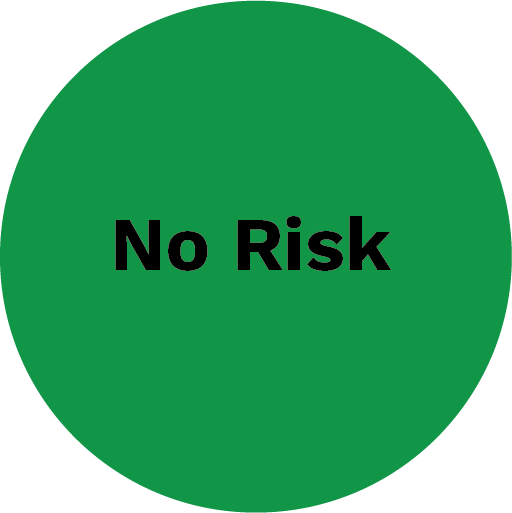
Risk Levels for Alcohol Consumption 

Canada’s Guidance on Alcohol and Health (2023) replaces the 2011 Low-Risk Alcohol Drinking Guidelines and recommends reducing alcohol use. Drinking alcohol can harm your health, and the risk increases with the amount you drink each week. The more you drink, the greater the chance of negative effects. 

Alcohol consumption per week

Drinking alcohol has negative consequences. The more alcohol you drink per week, the more the consequences add up.

0 drinks per week

Not drinking has benefits, such as better health, and better sleep.
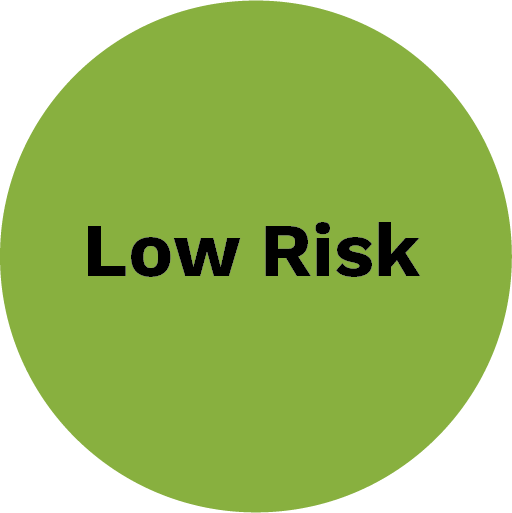
1 to 2 standard drinks per week

You will likely avoid alcohol-related consequences for yourself and others.
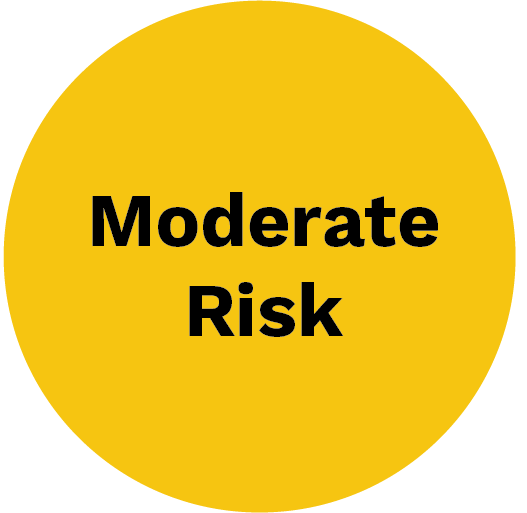
3 to 6 standard drinks per week

Your risk of developing several different types of cancer, including breast and colon cancer, increases.
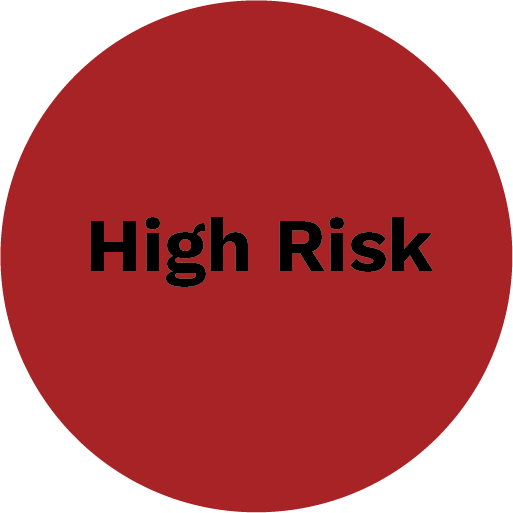
7 or more standard drinks per week

Your risk of heart disease or stroke increases. Each additional standard drink radically increases the risk of these alcohol-related consequences.

Need help measuring your drinks?

A standard drink means:

  • Beer – 341 ml (12 oz) at 5% alcohol 
  • Cooler, cider, ready-to-drink – 341 ml (12 oz) at 5% alcohol 
  • Wine – 142 ml (5 oz) at 12% alcohol 
  • Spirits (whisky, vodka, gin, etc.) – 43 ml (1.5 oz) at 40% alcohol 

Use the Standard Drink Size Calculator to find out how many standard drinks are in your glass. 

If you have questions about your personal health risks related to alcohol, talk to your health care provider. 

Reducing Alcohol Consumption 

Any reduction in the number of drinks you have makes a difference for your health. 

Tips for Drinking Less 

  • Track your drinks – Write down how much and how often you drink. This helps you see patterns and set goals. 
  • Set limits – Decide ahead of time how many drinks you’ll have and stick to it. 
  • Plan alcohol-free days – Take days off from drinking to lower your overall intake and give your body a break. 
  • Find alternatives – Try non-alcoholic options like sparkling water or alcohol-free beverages, especially at social events. 
  • Get support – see below. 

Supports

Assessment and Treatment Centres 

Access supports in Lambton County that offer treatment, counselling, and residential services for people who are experiencing challenges with alcohol and other substance use.  

Parents and Caregivers 

Parents and caregivers have a big influence on their children’s choices. Be a positive role model and start conversations early and talk often about alcohol and other substances. Access resources to support those conversations.  

Friends and Family 

Support the people you care about by talking to them about how you can help them. If people around you choose not to drink, accept that choice and make it feel normal in social settings. You can also use the Tips for Drinking Less listed above to work together to reduce consumption. 

Health Care Professionals  

Visit our Health Care Professionals page for Substance Use Resources you can use in your practice.

Reports and Resources